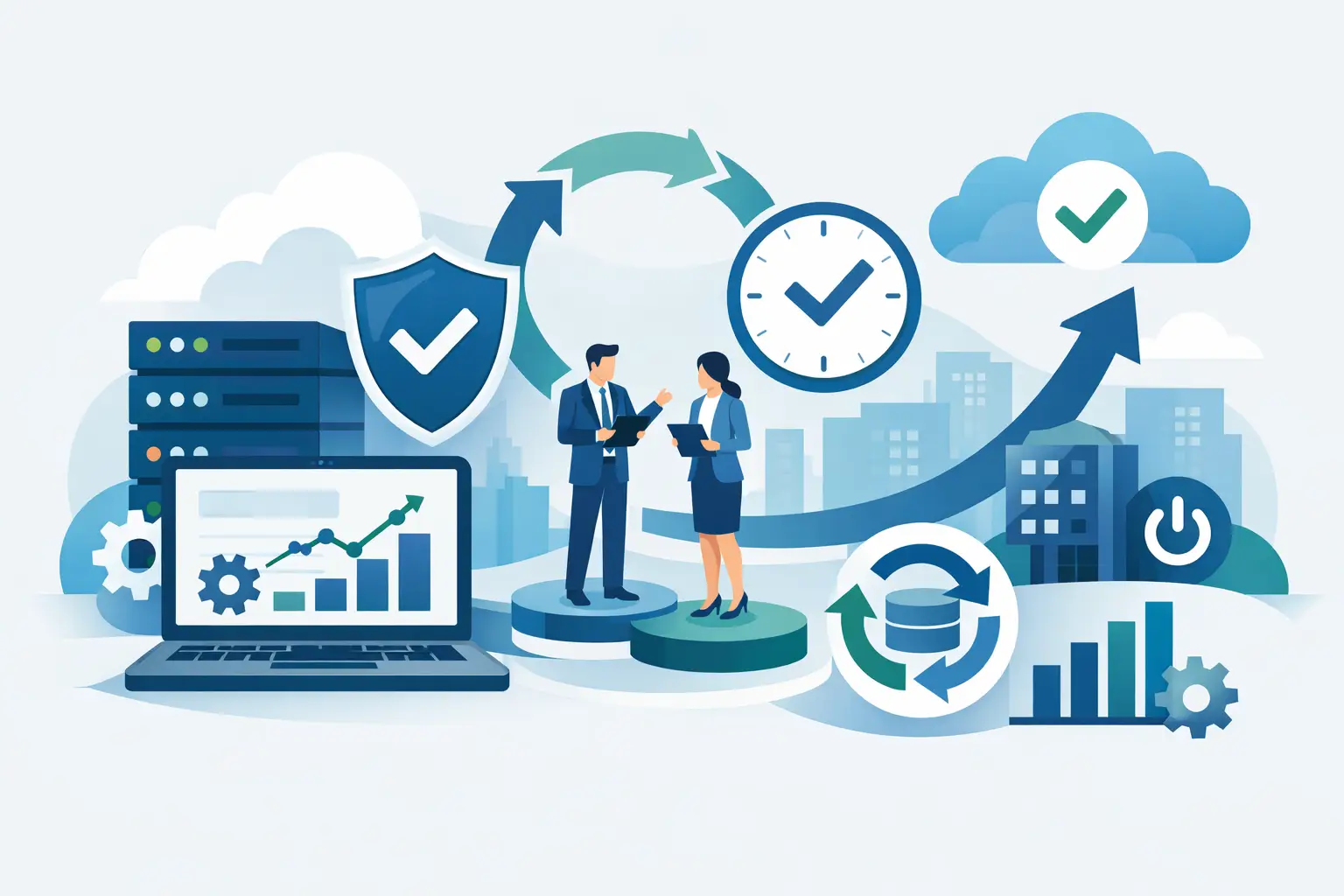

A dropped internet connection during a client call, a server alert at midnight, or an employee who cannot access a critical cloud application can quickly become an operational problem. Managed IT services Dubai businesses choose should do more than respond to tickets. They should keep the systems behind daily work secure, available, and ready to support growth.
For organizations in Dubai, technology is rarely limited to a few laptops and an internet connection. It includes business WiFi, switches and firewalls, cloud platforms, IP telephony, endpoint devices, backups, access controls, and the people who depend on each system. When these elements are managed separately, gaps appear. A single accountable technology partner helps close those gaps while giving leadership a clearer view of risk, cost, and performance.
What Managed IT Services Should Deliver
Managed IT is an ongoing service model in which a specialist team monitors, maintains, supports, and improves a company’s technology environment. It is not simply outsourced help desk support, and it is not a one-time installation project. The value comes from continuous attention to the systems that keep the business operating.
A well-managed environment begins with a clear understanding of the existing infrastructure. That includes how staff connect, where business data is stored, which applications are essential, and where the current points of failure may be. From there, the service provider can establish monitoring, maintenance routines, security controls, escalation procedures, and a practical roadmap for improvement.
The result should be measurable in operational terms: fewer disruptions, faster issue resolution, better visibility of assets, stronger protection for data, and technology that can accommodate a new office, additional employees, or changing work patterns without unnecessary rework.
Why Managed IT Services Dubai Villa Communities Need Are Different
Dubai businesses often operate across multiple locations, time zones, and teams. A company may have its head office in the city, a warehouse or site operation elsewhere in the UAE, remote employees, visiting clients, and cloud-based systems accessed from all of them. High-performance connectivity and dependable communications are not optional in this environment.
There is also a wide range of operating models. A growing professional services firm may need secure remote access and reliable video calling. A retail or hospitality operation may need stable guest WiFi separated from business systems. A property developer or premium residence may require integrated network coverage, security, automation, and centralized control. The right service plan depends on the setting, the level of risk, and how costly downtime would be.
This is why generic support packages can disappoint. A low monthly fee may look attractive until it excludes proactive monitoring, cybersecurity management, after-hours support, site visits, backup testing, or strategic planning. Comparing providers requires looking beyond the headline price and asking what is actually being managed.
The Core Areas That Require Continuous Attention
Network performance and enterprise WiFi
Your network is the foundation for every connected service. If switches, routers, wireless access points, cabling, and internet links are poorly designed or left unmanaged, users experience slow applications, dropped calls, weak coverage, and inconsistent access.
Managed network services should include performance monitoring, configuration management, capacity planning, and timely firmware updates. For offices, this may also mean separating employee, guest, and operational traffic. For larger premises and villas, it can mean designing wireless coverage around the building’s structure rather than relying on consumer-grade equipment placed where it is easiest to install.
Cybersecurity and endpoint protection
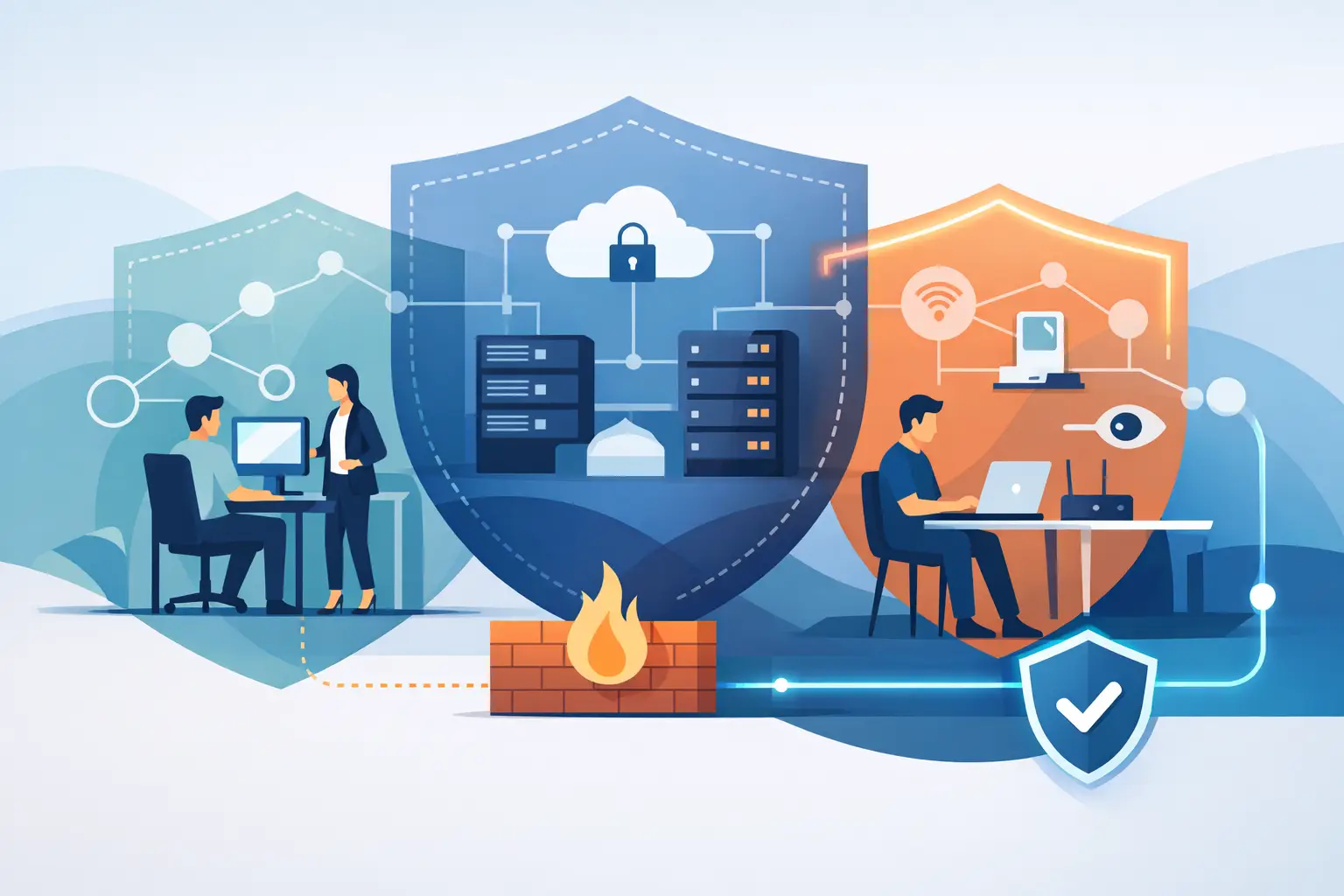
Cybersecurity is not a product that can be installed once and forgotten. Threats change, employees receive convincing phishing messages, and even a minor configuration mistake can expose business systems. Effective protection combines technology with ongoing management.
That includes firewall oversight, anti-spam and anti-virus protection, endpoint monitoring, patch management, secure access controls, and clear response procedures. Multi-factor authentication and least-privilege access are often practical improvements, but they must be implemented in a way that fits how people actually work. Security controls that create constant friction are more likely to be bypassed.
Cloud, servers, and data recovery
Cloud services can reduce the burden of maintaining on-premises hardware, but they do not eliminate the need for management. User permissions, storage growth, identity security, backup policies, and application performance still require attention. The same applies to businesses that retain local servers for specialist applications, files, or compliance needs.
A dependable plan identifies which data is critical, how often it is backed up, where copies are stored, and how quickly the business can recover if systems fail or data is encrypted by ransomware. Backups that have never been tested are an assumption, not a recovery strategy.
Communications that stay available
IP telephony, SIP calling, and VoIP can improve flexibility and reduce the limits of traditional phone systems. They also rely on correctly configured networks, sufficient bandwidth, and ongoing support. Call quality problems are frequently network problems in disguise.
Managed communications should account for call routing, user changes, device support, security, and service continuity. For customer-facing teams, even a short phone outage can affect revenue and reputation. Communications should therefore be treated as part of the wider infrastructure plan, not as an isolated service.
How to Evaluate a Managed IT Provider
The best provider is not necessarily the one promising the broadest list of technologies. It is the one that can take responsibility for the environment you have, explain priorities clearly, and act before small issues become costly interruptions.
Start with service coverage. Ask whether monitoring is continuous, how incidents are prioritized, and what support is available outside normal office hours. A business that operates evenings, weekends, or across international markets needs a support model that reflects those hours.
Then examine accountability. If a WiFi issue involves the internet provider, network equipment, and a cloud application, who coordinates the investigation? A full-stack provider that designs, implements, manages, and supports the environment can reduce the time lost between separate vendors.
Technical depth also matters. Your partner should be able to discuss network segmentation, backup retention, cloud identity, wireless capacity, and telephony quality in practical language. They should not recommend replacing everything immediately. Sometimes the right answer is a phased upgrade that protects essential systems first and spreads investment over a sensible timeframe.
Finally, ask for transparency. Clear documentation, asset records, service reports, known risks, and an improvement plan give decision-makers control. Managed services should make technology easier to govern, not harder to understand.
A Practical Starting Point for Business Leaders
Before selecting a service, identify the systems your business cannot afford to lose. For many organizations, that list includes internet access, email, business applications, customer records, phones, and shared files. Consider the effect of losing each one for an hour, a day, or longer.
Next, review recurring frustrations. Are employees reporting weak WiFi? Are software updates inconsistent? Is there uncertainty about who has access to company data? Does the business rely on one person who knows how everything works? These are not merely IT inconveniences. They are signs of operational exposure.
A structured assessment can turn those concerns into priorities. Some improvements may be immediate, such as applying security updates, strengthening email protection, or correcting backup gaps. Others may require planning, including a network refresh, cloud migration, server replacement, or a new communications platform.
For offices, multi-site businesses, and connected properties, INSOURCE UAE brings consulting, deployment, monitoring, maintenance, and responsive technical support into one service-led approach. This reduces the complexity of managing separate technology providers while keeping the focus on performance, protection, and continuity.
Technology should support the pace of your business, not force your team to work around recurring failures. Begin with an honest view of the systems your people rely on most, then put accountable management around them before the next interruption tests how prepared you are.