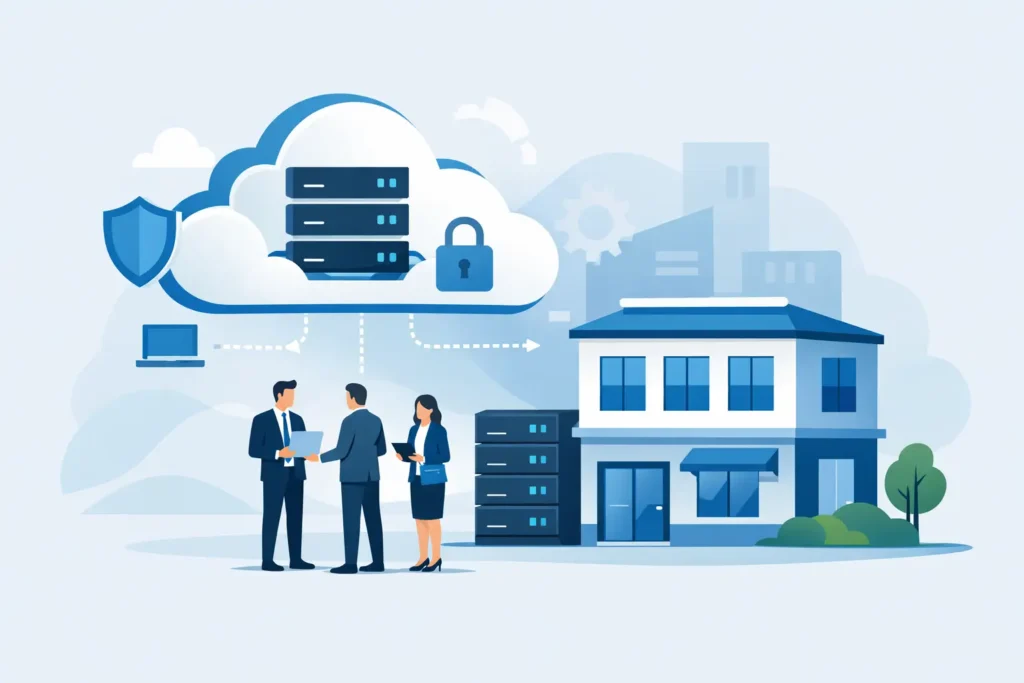
A growing company can reach a point where shared public cloud storage, scattered user accounts, and an aging office server create more risk than convenience. A private cloud for small business offers a controlled environment for applications, files, backups, and access – but only when it is designed around the way the business actually operates.
For Dubai and UAE organizations handling client records, financial information, project files, or business-critical applications, the question is rarely whether cloud technology is useful. The real question is where systems should run, who can access them, how quickly they can be recovered, and who takes responsibility when an issue occurs outside office hours.
What a private cloud for small business actually means
A private cloud is computing infrastructure dedicated to one organization. It can be hosted in your office, in a data center, or delivered through a trusted managed infrastructure provider. Unlike a shared public cloud environment, the underlying resources and security policies are reserved for your business.
This does not mean every workload must move away from Microsoft 365, Google Workspace, or other public cloud services. In many cases, the best answer is a hybrid model. Email and collaboration may remain in a public platform, while accounting systems, line-of-business applications, confidential documents, virtual desktops, and backup repositories operate in a private environment.
The value is control. Your business can set access policies, storage capacity, retention rules, recovery priorities, and network connections to suit operational requirements. For a small business, that control must be balanced against the cost and responsibility of owning infrastructure. Private cloud is not automatically the right choice simply because it sounds more secure.
When private cloud is the better business decision
A private cloud is most useful when a business has predictable, important workloads that need consistent performance and tighter governance. For example, an architecture firm working with large project files may need fast local access and protected remote connectivity. A healthcare practice may need stricter control of patient data and user permissions. A growing trading, legal, or professional services company may need reliable access to internal applications without placing sensitive information across unmanaged devices.
It also makes sense where internet dependency is a concern. Public cloud services rely on stable external connectivity. A well-designed private cloud can keep core applications available on-site during an internet outage, while secure remote access is restored through redundant connectivity. This is particularly relevant for offices where even a short interruption affects sales, client service, operations, or field teams.
Private infrastructure can also reduce uncertainty around performance. Shared cloud platforms are highly capable, but the experience of a specific application depends on internet quality, configuration, user location, and the provider’s service model. A dedicated environment gives IT teams more direct control over compute resources, network traffic, and system tuning.
That said, a small company with simple file sharing, email, and web-based accounting requirements may be better served by properly secured public cloud services. Private cloud should solve a clear operational problem, not become an expensive replacement for tools that are already working well.
Security is more than where data sits
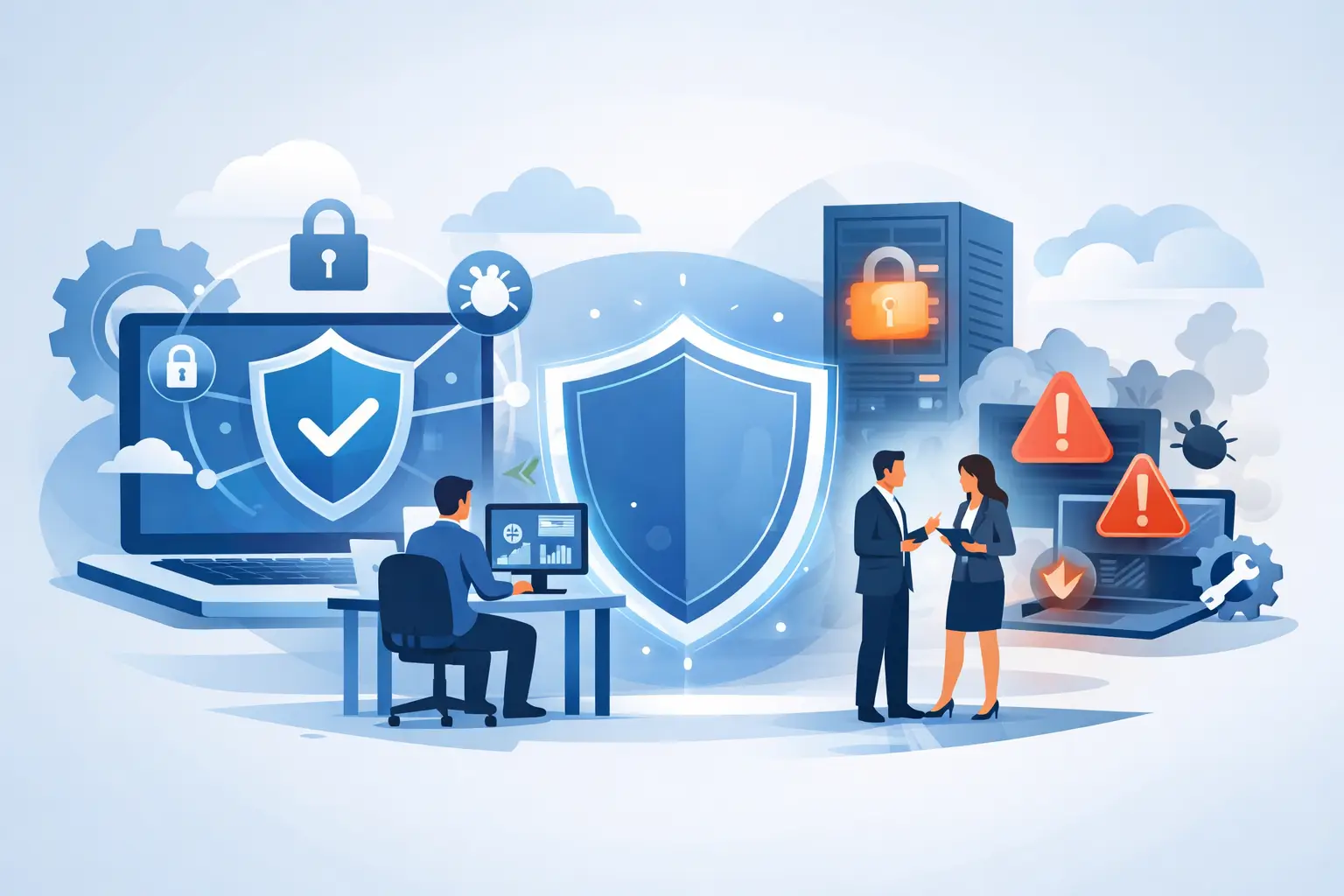
It is easy to assume that a private cloud is secure by default because it is dedicated. That is not the case. Security depends on the design, configuration, monitoring, patching, identity controls, backups, and response process around the environment.
A reliable deployment separates users and systems appropriately, applies multi-factor authentication for remote access, uses encrypted connections, limits administrator privileges, and records meaningful activity logs. Endpoint protection matters as much as server protection. A secure cloud server cannot compensate for a compromised laptop, weak password, or employee account with excessive permissions.
For businesses handling confidential data, the ability to define where information is stored can be a significant advantage. Data residency, contractual requirements, and customer expectations may affect whether data should remain within a particular region or be retained under specific policies. Decision-makers should discuss these requirements before selecting a platform, rather than discovering limitations after migration.
Cyber resilience also requires an assumption that something will eventually fail or be targeted. Ransomware, accidental deletion, hardware faults, and incorrect configuration are operational realities. The environment must be designed to contain problems and restore services quickly.
Build recovery into the design
Backups are not a box to check after the cloud is live. They should be designed alongside the primary environment. A sensible approach includes protected backup copies, retention periods matched to business needs, regular recovery tests, and clear ownership for reviewing backup results.
Recovery objectives should be practical. Ask how much data the business can afford to lose between backups, and how long critical systems can be unavailable before operations are seriously affected. A design for a small retail office will differ from one supporting 24/7 customer service, a manufacturing workflow, or a professional firm with strict client deadlines.
The right plan also identifies the order in which systems return. Restoring a file server is of limited value if the network, user authentication, or core application database remains unavailable. Documented recovery steps reduce confusion at the moment it matters most.
The infrastructure choices behind the service
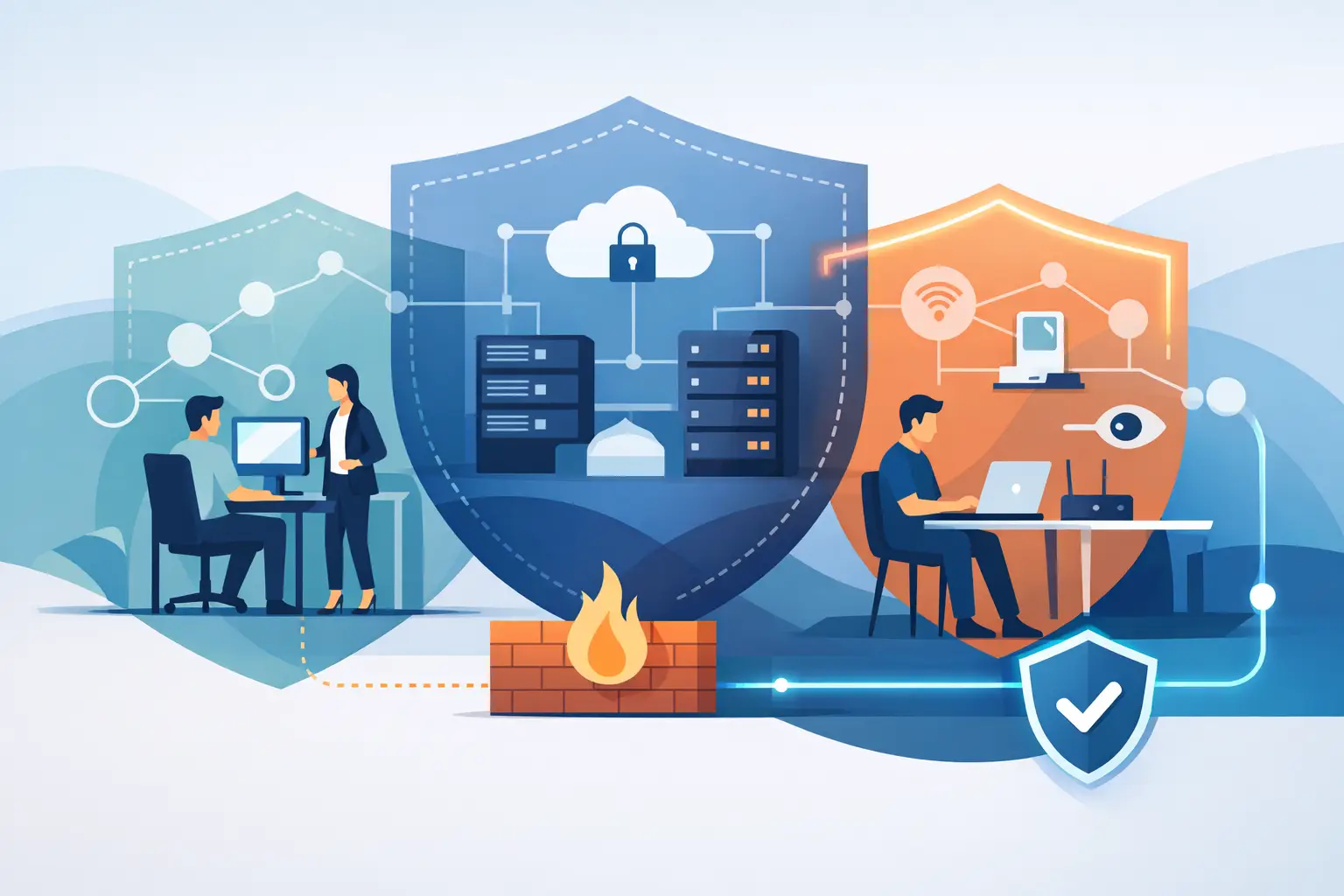
Private cloud can be built in several ways. An on-premises deployment places the equipment at your office and can provide excellent local performance. It also requires suitable power protection, cooling, physical security, hardware maintenance, and a plan for site-level disruption.
A hosted private cloud places dedicated infrastructure in a professionally managed data center. This can improve resilience through redundant power, cooling, connectivity, and physical controls. It may be a better fit for businesses that want dedicated resources without keeping critical servers in a closet or unsecured office room.
A hybrid model combines local systems, hosted private resources, and public cloud applications. It is often the most practical option because it lets each workload run where it makes the most sense. The trade-off is added integration work. Networks, user identities, access rules, backups, and support responsibilities must be coordinated from the start.
Before committing to a model, review four areas:
- The applications that cannot tolerate slow performance or extended downtime.
- The data that requires stronger access control, defined retention, or location-specific storage.
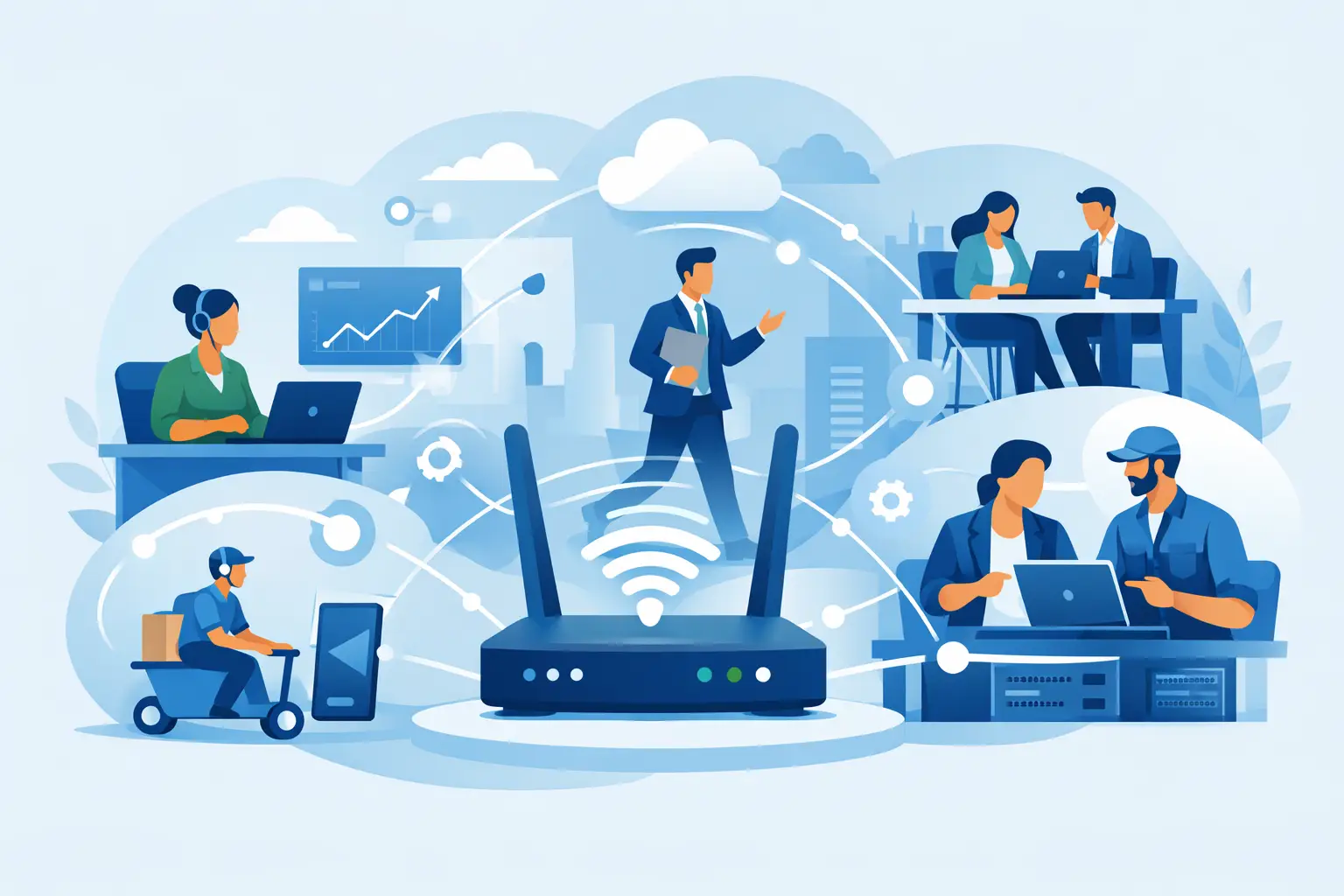
- The office network, Wi-Fi, firewall, and internet connections that will carry cloud traffic.
- The internal skills and managed support coverage available after implementation.
These discussions prevent a common mistake: treating cloud infrastructure as a standalone purchase. The private environment depends on the quality of the network, security controls, user devices, and ongoing management around it.
Plan migration around continuity, not convenience
Moving systems to a private cloud can affect employees, customers, and connected services. A careful assessment should map applications, data volumes, dependencies, licenses, user groups, and existing backup arrangements. It should also identify outdated software or unsupported hardware that could create issues during migration.
The migration itself should be staged where possible. Test a representative workload, verify access from the office and remote locations, confirm performance, and validate restore procedures before moving everything. Schedule the final cutover around operational needs, with an agreed rollback plan if a critical issue is found.
Communication matters here. Employees need to know when access will change, what sign-in process they will use, and where to get support. Clear guidance can prevent a technically successful migration from becoming a frustrating workday for the people relying on the system.
Ongoing management determines long-term value
A private cloud is an operating environment, not a one-time project. Capacity needs change, security patches are released, user access changes, certificates expire, and hardware eventually reaches end of life. Without active monitoring and maintenance, the benefits of dedicated infrastructure can quickly erode.
This is where a managed service approach is valuable. Monitoring should identify storage pressure, failed backups, unusual activity, hardware alerts, and performance trends before they become business interruptions. Regular reporting gives leadership a clearer view of system health, risks, and investment needs.
INSOURCE UAE approaches cloud and infrastructure projects as part of the wider technology environment. That includes the network, cybersecurity controls, connectivity, endpoints, backup planning, and support process that keep services available after go-live. A single accountable team helps reduce the gaps that can arise when several vendors each manage only one part of the solution.
Start with the workload, then choose the platform
The best private cloud strategy begins with a practical question: which systems need greater control, stronger protection, or more reliable performance than your current setup provides? Once that is clear, the right mix of private, public, and on-premises services becomes easier to define.
A well-planned environment should give your people dependable access without making technology harder to manage. Build it around real workloads, test it before relying on it, and ensure there is a capable support team ready to act when operations cannot wait.